A Bristol story about physical skill
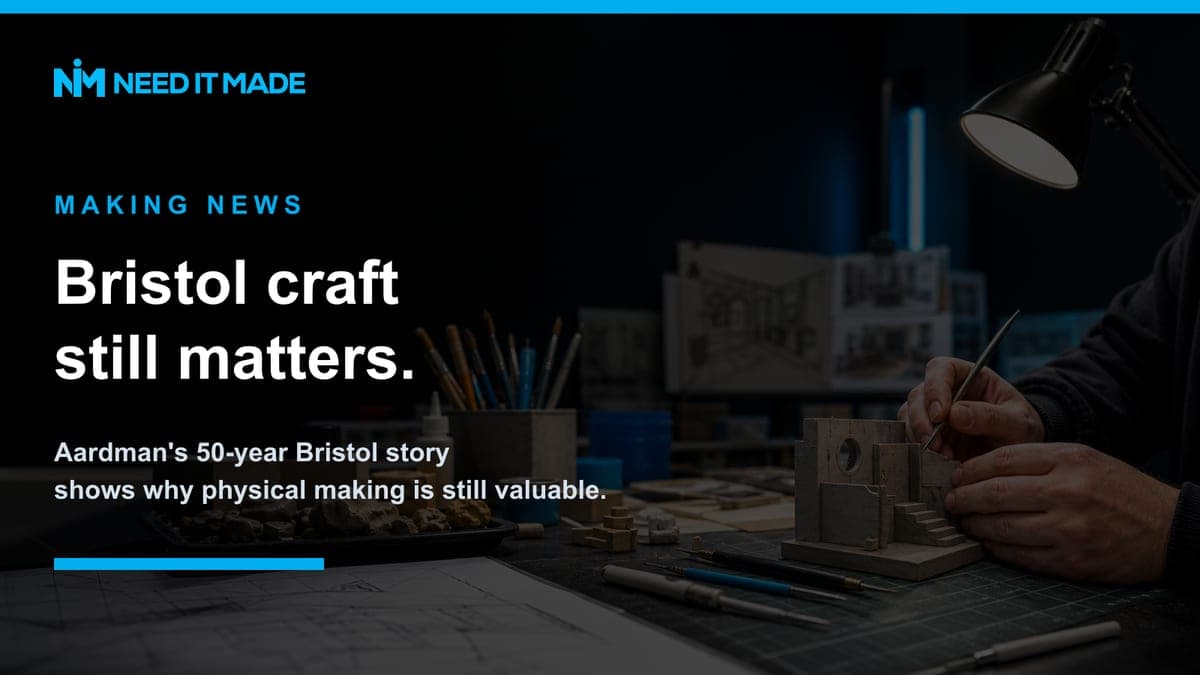
Aardman's 50-year story is being celebrated at M Shed this summer, and the useful part for Need It Made is not only the fame of the characters. It is the craft behind them.
The exhibition brings attention back to puppets, sets, model work, archive pieces and the practical people who make imaginary worlds physically exist. That matters because a lot of good ideas fail in the same place: the gap between "I can picture it" and "someone can make it".
The hidden work behind a finished thing
The Guardian reported that the Bristol exhibition includes original puppets and crafted sets, including details that connect Aardman's work back to the South West. Aardman's own announcement describes the show as a behind-the-scenes look at the studio's creative process and its deep-rooted connection to Bristol.
That is the part worth pausing on.
Most people see the finished result. Makers see the decisions.
Material choice, scale, repair, repeatability, surface finish, movement, tolerances: a lot of work is hidden inside something that looks effortless.
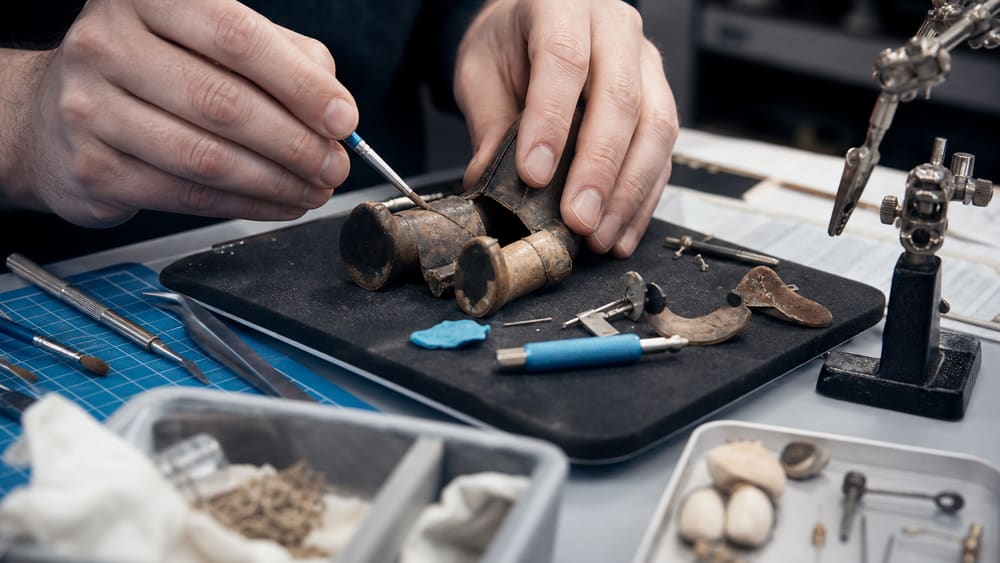
Why this is relevant to Need It Made
Need It Made exists for the same practical reason. People often know what they need, but they do not know who can make it, restore it, adapt it or prototype it. Sometimes the right answer is a fabricator. Sometimes it is a model maker, engineer, restorer, CAD designer, machinist, woodworker or specialist craftsperson.
Bristol has a strong habit of mixing creative work with practical making. A story like this is a useful reminder that "manufacturing" is not only factories and production lines. It also includes small skilled teams making one-off, difficult or highly specific things properly.
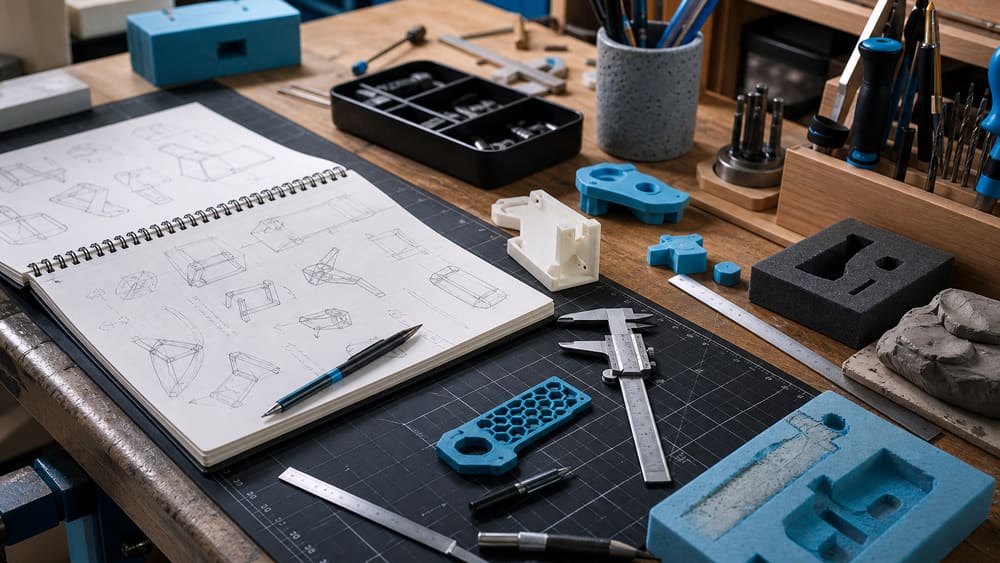
What customers can take from it
If you have an unusual object, part, display piece, prototype or restoration problem, the first step does not need to be perfect technical language. The first step is describing the outcome clearly enough that the right maker can ask good questions.
That is where platforms like Need It Made can help: turn a vague physical problem into a brief, then connect it with people who understand materials, tools and the reality of making.
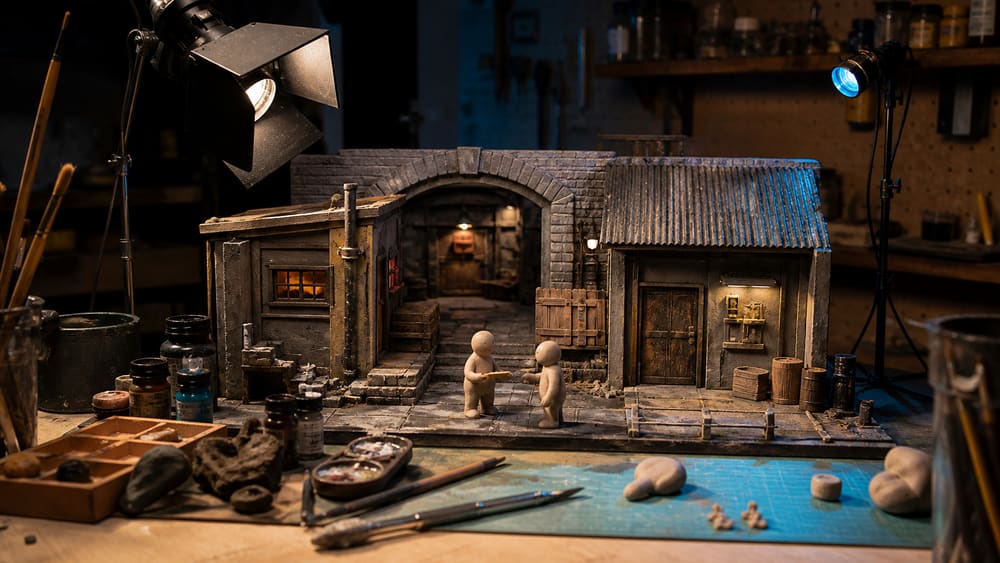
The practical takeaway
The Aardman exhibition is a cultural story, but it also says something practical about Bristol's maker economy. Physical skill still matters. Repair still matters. Prototypes still matter. And behind almost every memorable object is someone who knew how to make the idea real.