Repair, reproduce or redesign: what should happen to a broken part?
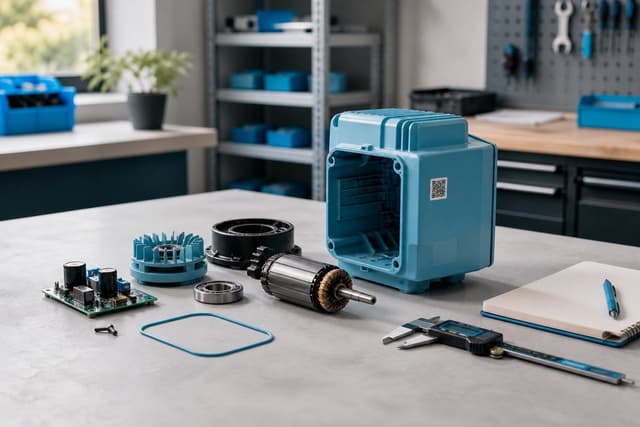
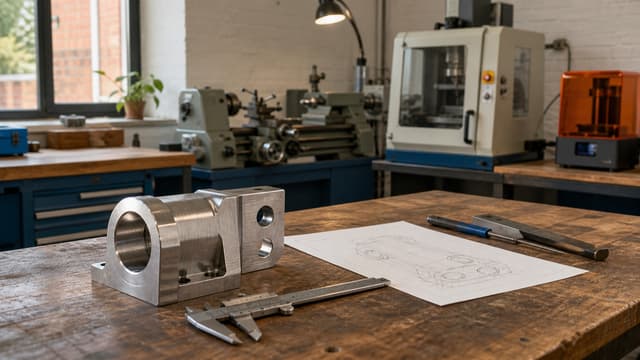
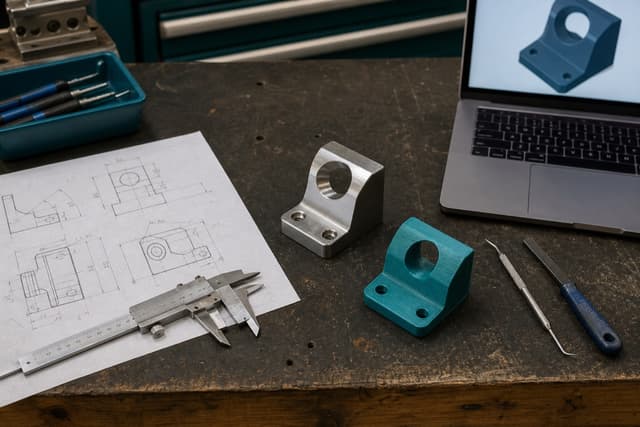
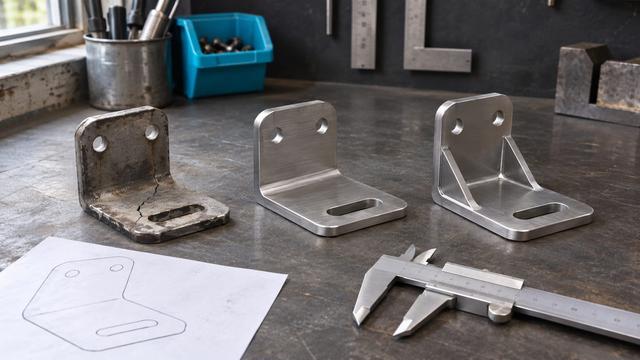
When a part breaks or disappears from sale, a useful brief helps a Maker decide whether repair, reproduction or redesign is the better route.
We use essential cookies to run Need It Made and, with your permission, analytics cookies to understand how the site is used so we can improve it. See our Cookies Policy and Privacy Policy.
Maker stories, practical guides, and what's happening in UK making.
For a one-off, the printing is cheap and the design is not. A real £247.50 job, broken down, and what to put in your brief to get an accurate quote.

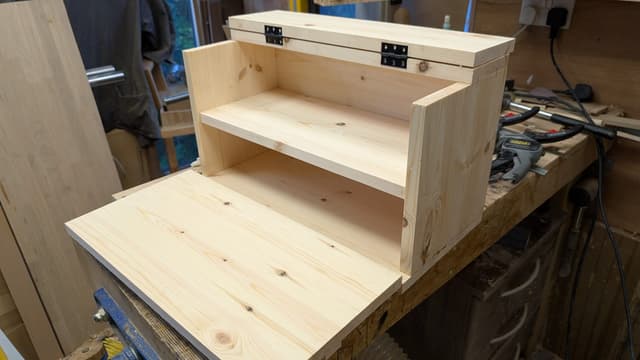
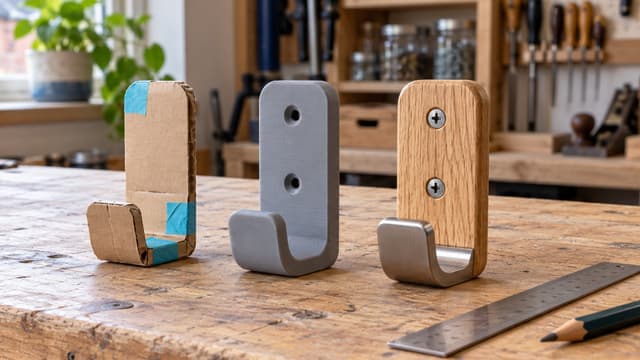
A rough cardboard shape, a 3D-printed test piece and a carefully finished working model can all be prototypes. They may look completely different because they are meant to answer different questions.

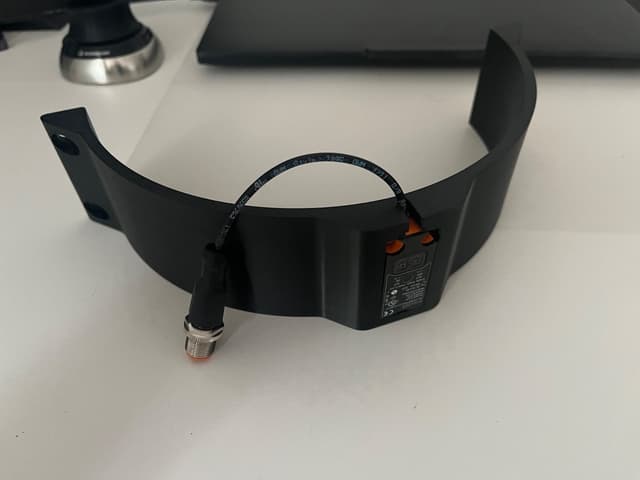
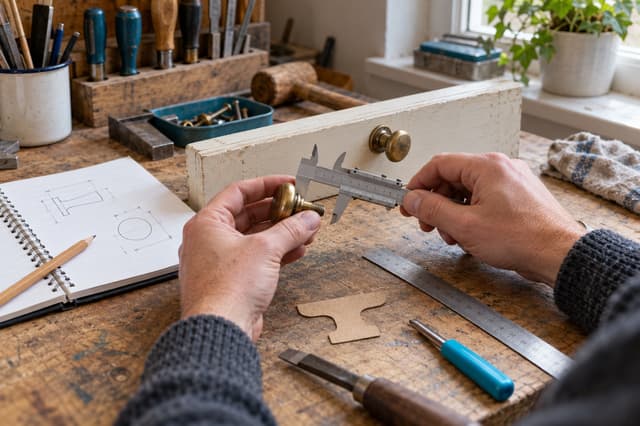
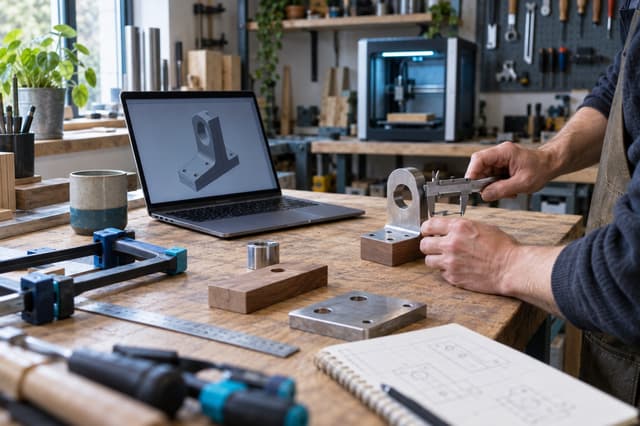
The difference between an object that looks right and one that actually fits can be a fraction of its size. A replacement knob may resemble the original but use the wrong thread. A shelf can match a photograph yet miss a pipe, socket or uneven wall. A prototype can have the correct overall length while placing one critical hole a few millimetres away from where it needs to be.

Artificial intelligence is moving into British business, but not in quite the way the loudest headlines suggest. The Office for National Statistics reported in July that 35% of UK businesses with ten or more employees were using some form of AI in June 2026, up from about 12% in late 2023. Yet its analysis also described adoption as relatively shallow. Businesses were using more AI, but most adopters were still using only a small number of AI technologies.

Where to turn when the thing you need isn't stocked anywhere: your options, what it costs, and what a maker needs from you to quote.
Design is easy to mistake for the final appearance of an object. It can sound like the stage where someone chooses a colour, draws a neat rendering or makes a finished product look appealing. In practice, useful design begins much earlier. It starts with understanding what needs to change, who will use the result and what a successful outcome must do.

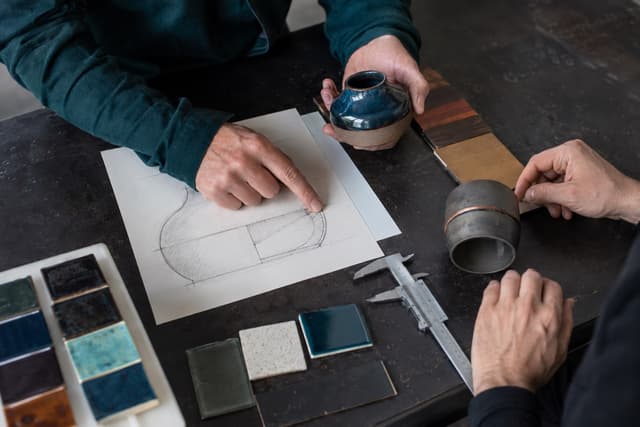
Finished objects can hide the decisions that made them possible. A ceramic bowl does not immediately reveal the tests behind its glaze. A woven textile conceals hours of sampling. A piece of furniture may look simple only because its proportions, joints and finish have been resolved carefully.

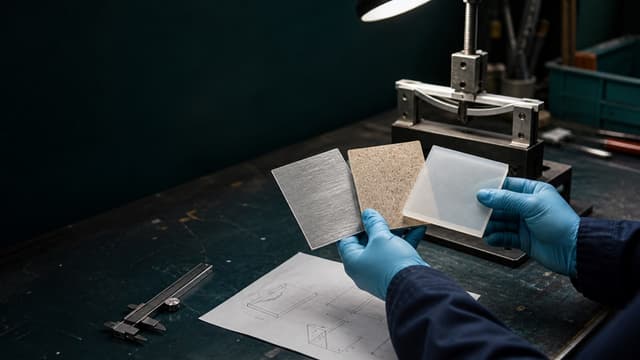
Choosing a material can sound like a late-stage decision: draw the object first, then decide whether it should be metal, plastic, fibre, ceramic or timber. In practice, the material often changes the design, the making process and even the question being asked.

A physical object can outlive the information needed to understand it. The drawing disappears, the material is uncertain, a replacement part has no reference number, or nobody records why an earlier repair was made. The object may still have years of useful life, but the next person opening it has to begin with detective work.

The UK government's advanced manufacturing page was updated on 15 July with figures that mostly sound very large: £500 million of collaborative research and development funding, £4 billion for zero-emission vehicle manufacturing through DRIVE35, and £116 million for Made Smarter support aimed at 5,500 small and medium-sized enterprises.

Something important changed for adult learners in England on 1 August. The government expanded its Free Courses for Jobs offer to include more Level 2 engineering and manufacturing qualifications. The official announcement lists 49 reformed engineering qualifications and 23 reformed manufacturing technologies qualifications.

A Bristol tool-sharing story is a useful reminder that practical jobs often fail at the first hurdle: people know what they want repaired or made, but not what tools, skills or route will get them there.

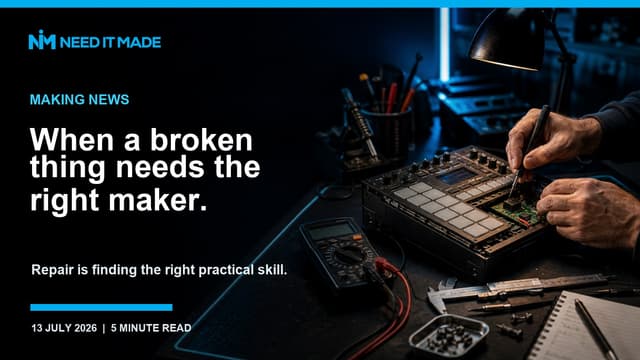
A South West repair story shows why making and repair belong together: when something specific breaks, the hard part is often finding the person with the right practical skill.

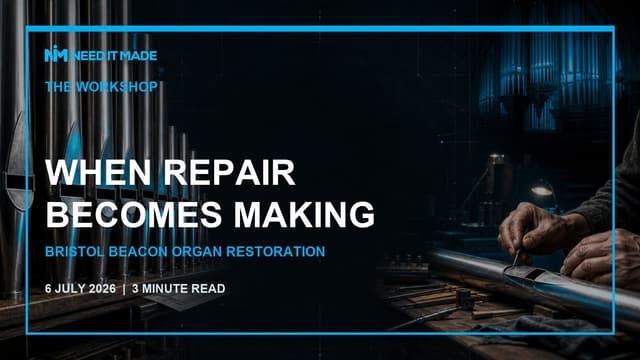
Some repairs are so large that they stop looking like repairs and start looking like full-scale making projects. Bristol Beacon's restored organ is a useful reminder that restoration is making with history, constraints and responsibility added.

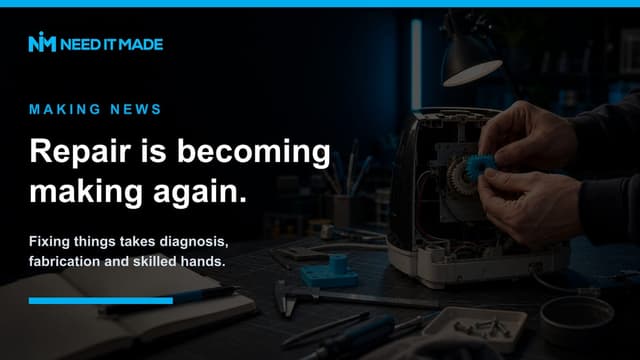
A current repair-focused fabrication paper and recent reporting on repair cafes point to the same practical shift: fixing things is not just waste reduction. It is diagnosis, design, parts sourcing, fabrication and testing.

Stories from the people who make things, practical guides for getting a project made, and what's happening in UK making.

A new Aardman exhibition at M Shed puts Bristol craft, model-making and physical storytelling in the spotlight. For Need It Made, the useful lesson is simple: ideas become valuable when someone can actually make them real.