Repair has a making process
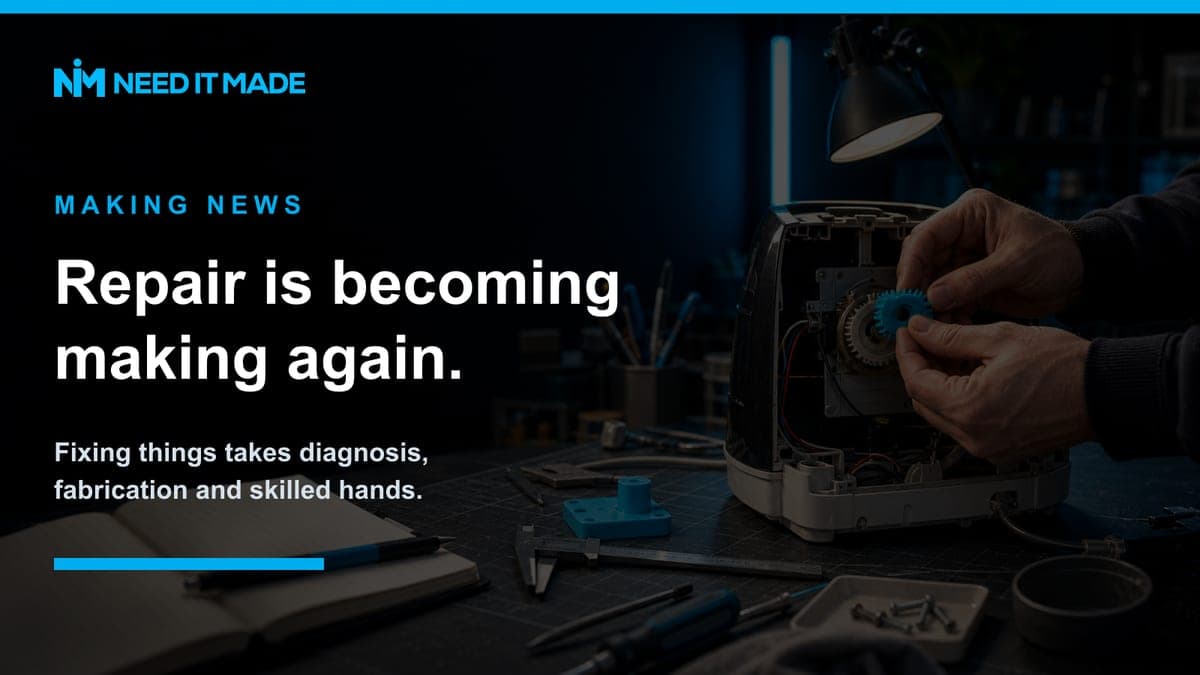
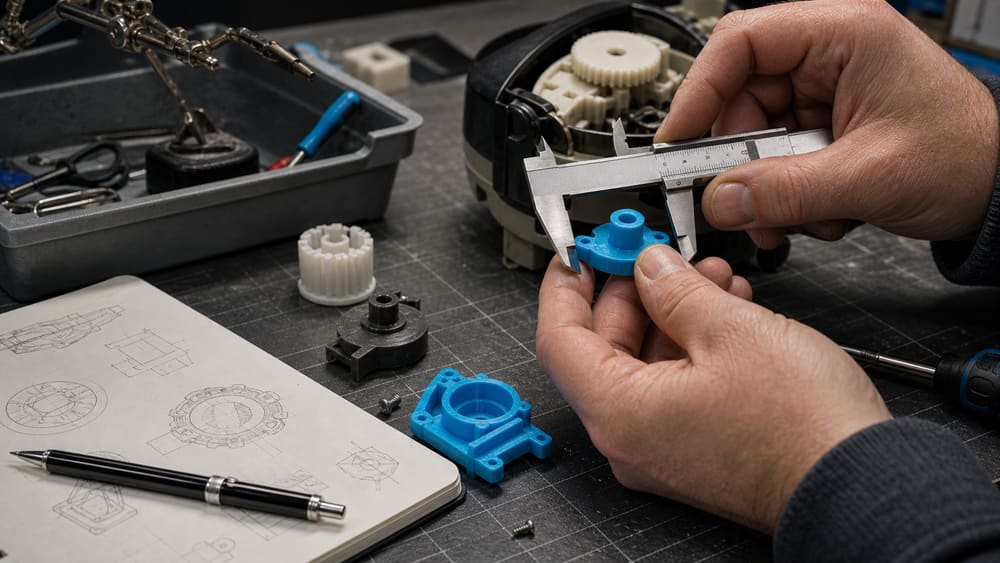
Repair is often treated as the opposite of making: something breaks, someone fixes it, the story ends. A current fabrication-research paper argues for a better view. Repair is a process: identify the fault, explore the solution, source or make the material, carry out the repair, then test whether it works.
That sequence will sound familiar to anyone who makes physical things. It is not far from prototyping. The difference is that the starting point is an existing object, usually with real constraints, missing parts, wear, awkward materials or sentimental value.
Why this matters locally
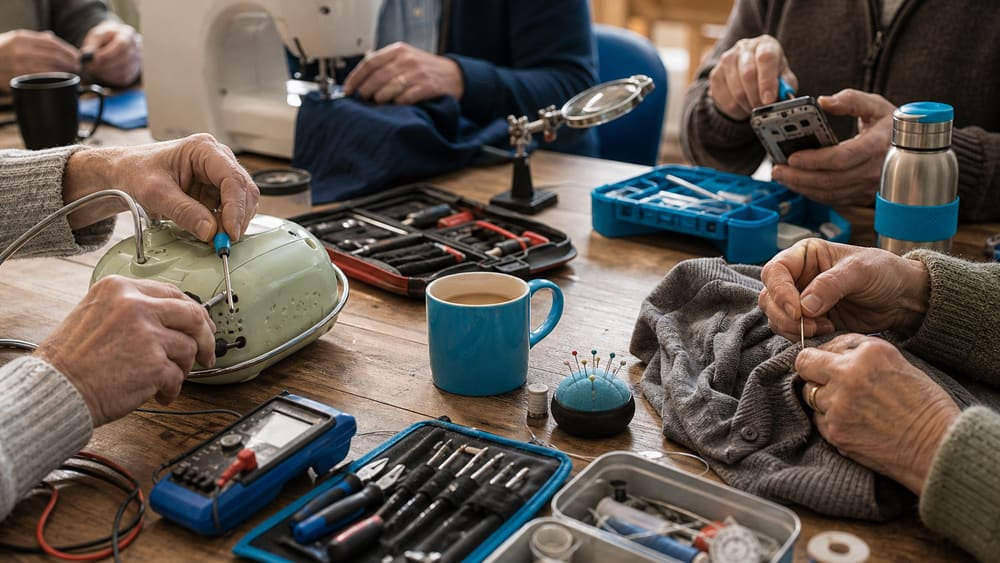
Recent reporting on repair cafes shows the same idea from the public side: people are looking for ways to keep useful objects alive rather than throw them away. The important part is not only sustainability. It is access to practical knowledge.
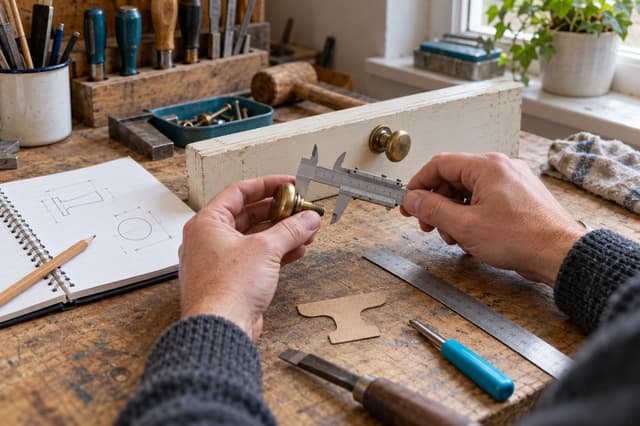
A repair table brings together the skills that are easy to overlook: electrical diagnosis, sewing, small mechanical fixes, jewellery repair, woodwork, fabrication and patient problem-solving. Those skills are also the backbone of many unusual Need It Made projects.
The Need It Made angle
Need It Made exists because people often know what they need but do not know who can make it, adapt it, restore it or repair it. A broken hinge, obsolete bracket, damaged display piece or missing plastic part can be too specific for ordinary retail and too small for a traditional manufacturer.
That is where local maker capacity matters. Sometimes the right answer is a CAD designer. Sometimes it is a fabricator, restorer, machinist, electronics repairer, woodworker, sewer or model maker. The useful skill is knowing how to turn a messy physical problem into a workable brief.
Repair is not second best
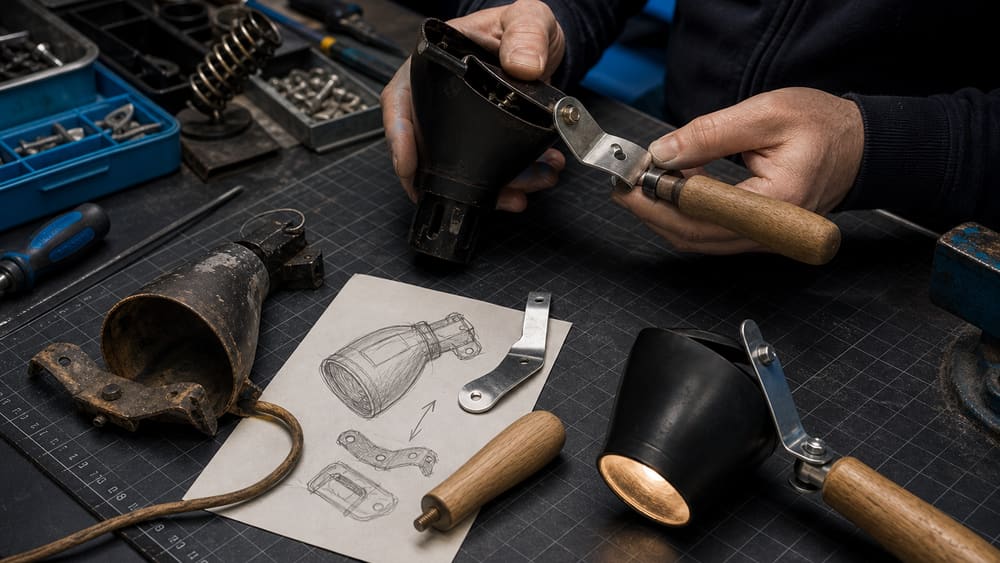
The wider repair movement is making a simple argument: useful objects should not become waste just because the route to fixing them is unclear. For Need It Made, that is also a customer problem. The hard part is often not wanting the item fixed. It is finding the right person, describing the issue clearly and understanding what kind of making is needed.
Repair deserves a place next to design, prototyping and manufacturing because it uses the same practical thinking. Measure, test, adapt, make, check, improve. That is making.