Restoration is practical problem solving
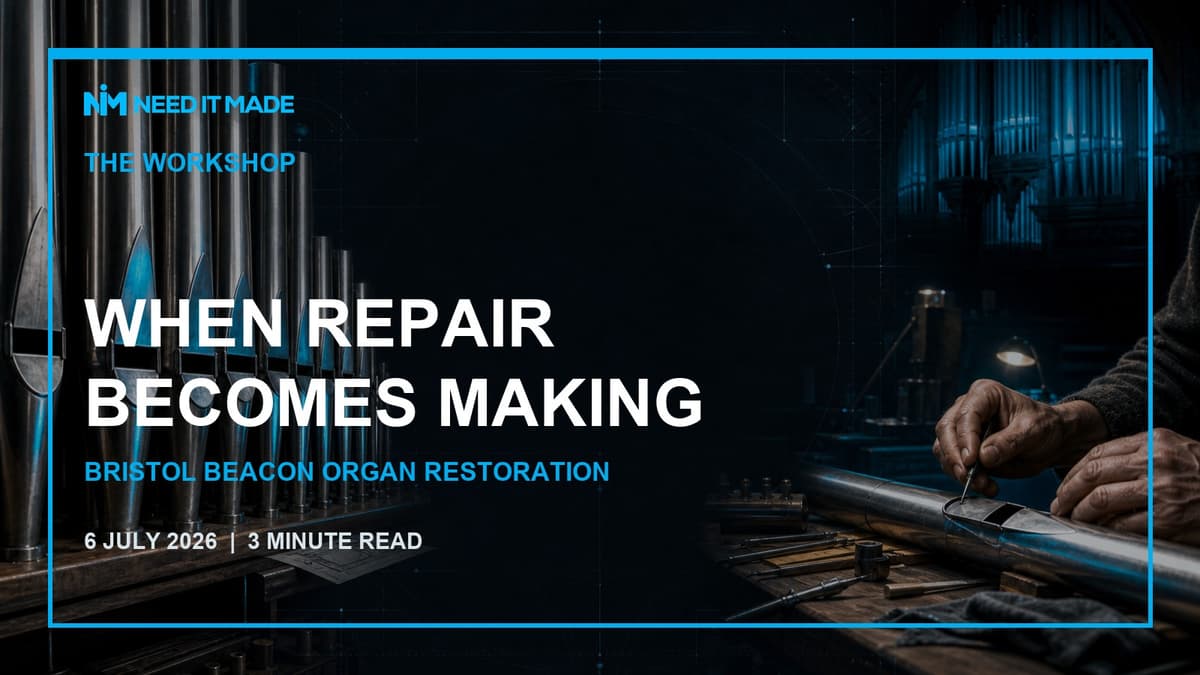
Some repairs are so large that they stop looking like repairs and start looking like full-scale making projects. The restored Britton Organ at Bristol Beacon is a useful example because it shows how much careful making can sit inside one restoration job.
The Guardian reported in January 2026 that the concert organ had returned after a major restoration, following the wider refurbishment of Bristol Beacon. This was not a small object being patched up. It was a complex instrument made from thousands of parts, each needing care, judgement and testing before the whole thing worked as one system again.
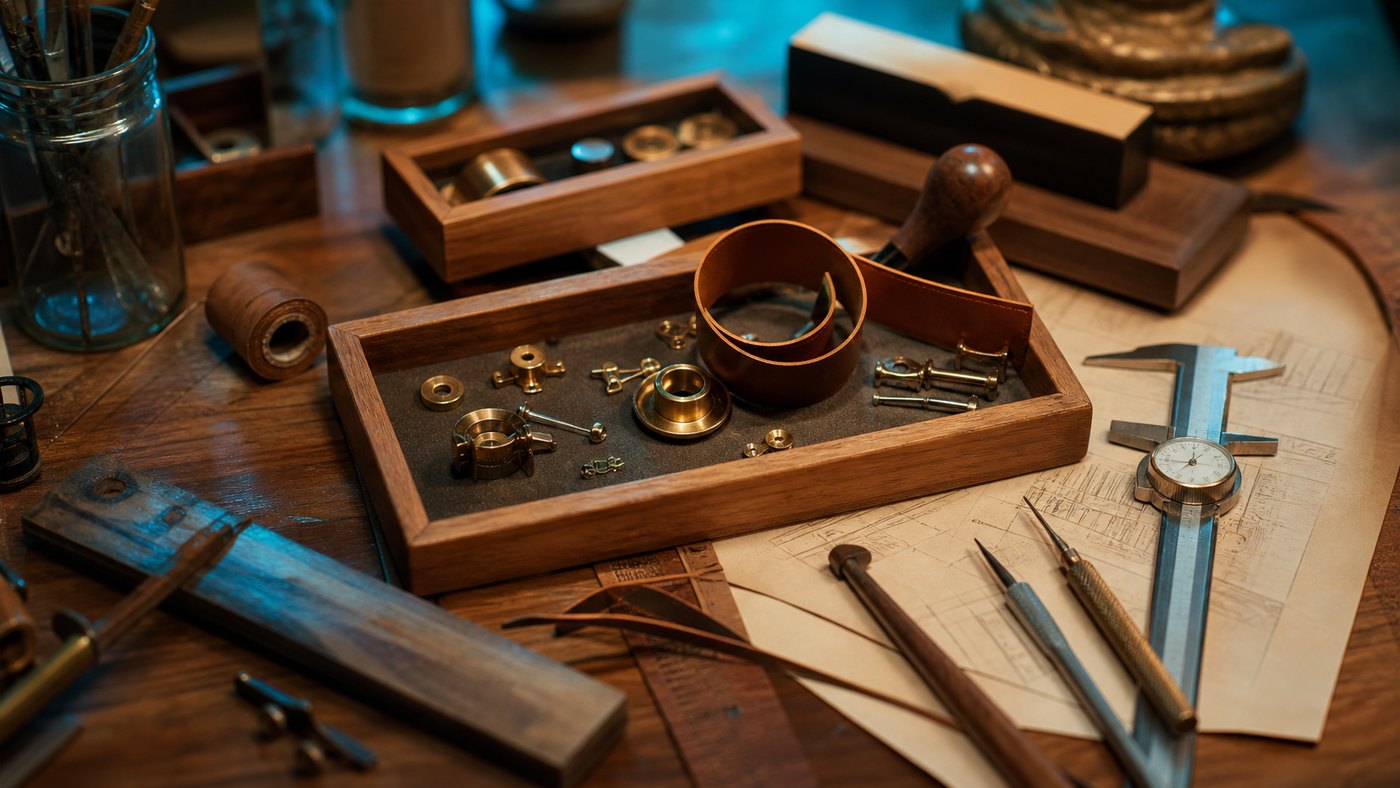 Original generated image for Need It Made.
Why this matters to Makers
For Makers, the story is a reminder that repair is rarely just one skill. A restoration like this can involve material knowledge, hand finishing, documentation, sourcing, fitting, adjustment and testing. One project can involve metal, timber, leather, air flow, acoustics and electronics around the edges.
That range of skill is exactly why some jobs do not fit neatly into normal retail or standard repair routes. The right answer may be a restorer, a fabricator, a machinist, a woodworker, an electronics specialist or someone who can simply understand how the original thing was made.
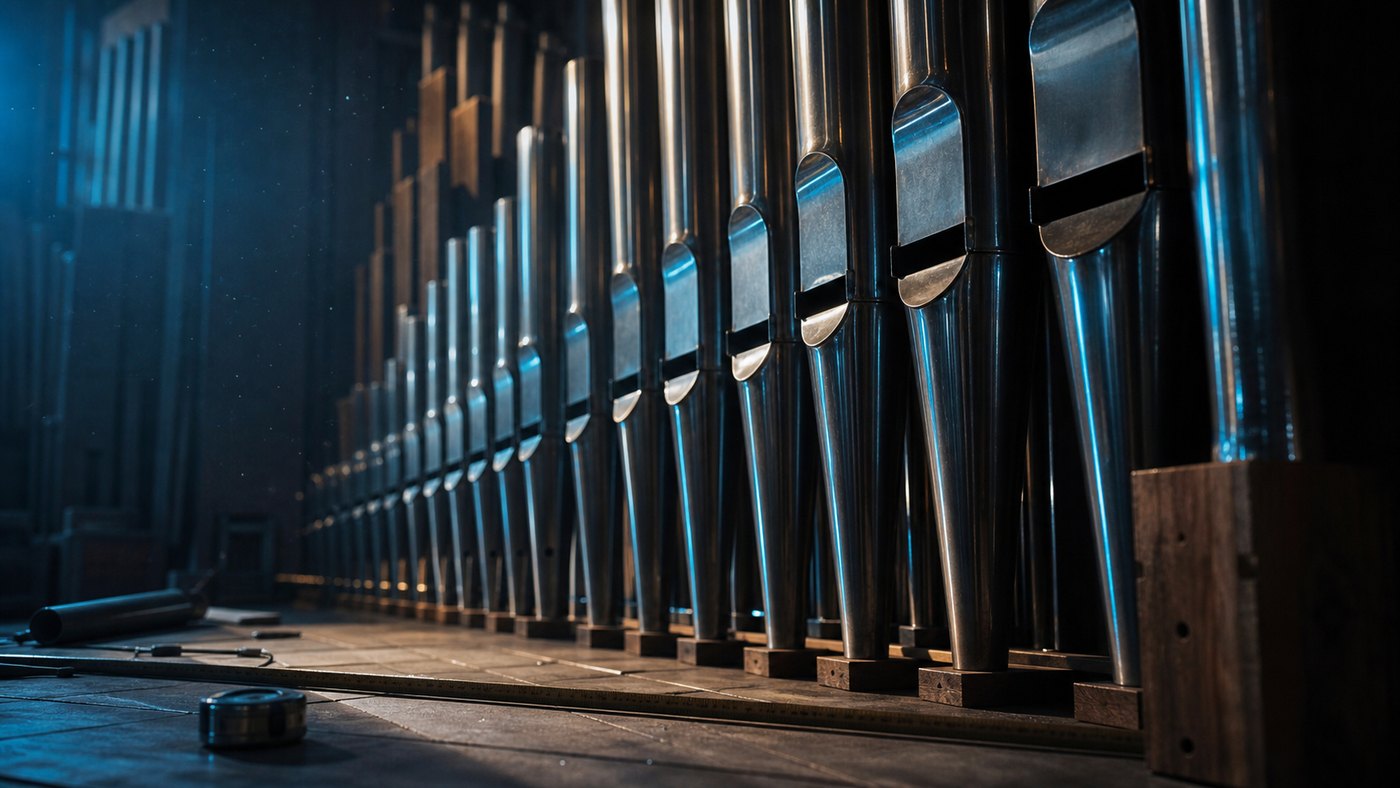 Original generated image for Need It Made.
The Need It Made angle
Need It Made exists because people often know what they need but do not know who can make it, adapt it, restore it or repair it. A broken hinge, obsolete bracket, damaged display piece, missing plastic part or unusual mechanism can be too specific for ordinary retail and too small for a traditional manufacturer.
The useful lesson from the Britton Organ is simple: when the original supplier is gone, the part is unusual, or the object does not fit a standard service route, a skilled Maker can often find a practical way forward.
Repair is not second best
The Britton Organ story matters because it makes specialist skill visible. It shows that repair and restoration are not second-best versions of making. They are making, with constraints, history and responsibility added.
For Customers, that means the best route is often to explain the problem clearly, keep the broken part if possible, share photos from several angles and describe what the finished part or repair needs to do. Strength, heat, weather, movement and appearance all change the best solution.
Good restoration is not just about keeping something old. It is about making it work again without losing what made it worth saving.